Why Many Medical Malpractice Cases Are Declined in Ontario
One of the hardest conversations a medical malpractice lawyer has is telling someone that they cannot offer representation. People often contact a lawyer because something

One of the hardest conversations a medical malpractice lawyer has is telling someone that they cannot offer representation. People often contact a lawyer because something
Hospitals are extremely busy places with hundreds, if not thousands, of healthcare workers all doing their best to provide safe and effective care to many sick patients. Despite best intentions, patients sometimes fall through the cracks and receive negligent medical care in the hospital setting. The result could be a deadly medication error, a missed laboratory result, or a failure to communicate an important clinical finding that causes major disability or even death to you or a loved one.

If you or a loved one has been seriously harmed or died as a result of medical malpractice it is extremely important that you choose the best medical malpractice lawyer to represent you. Medical malpractice claims are highly complex and vigorously defended. Even strong cases with sympathetic clients can be lost in Court. For this reason, if you suspect medical malpractice, you should ensure you retain the best malpractice lawyer willing to take your case.
What if you suspected medical malpractice or negligence was the cause of your loved one’s death? What are your rights with respect to requesting a Coroner’s investigation into their death?
After nearly two decades of litigating medical malpractice claims in Ontario, this is by far the most common question I am asked when speaking with potential new clients.

If you believe that you or a loved one suffered harm as a result of medical malpractice, your medical records will be needed to investigate whether you have a viable claim or not. In Ontario, under the Personal Health Information Protection Act (“PHIPA”), you have the right to request access to your medical records.
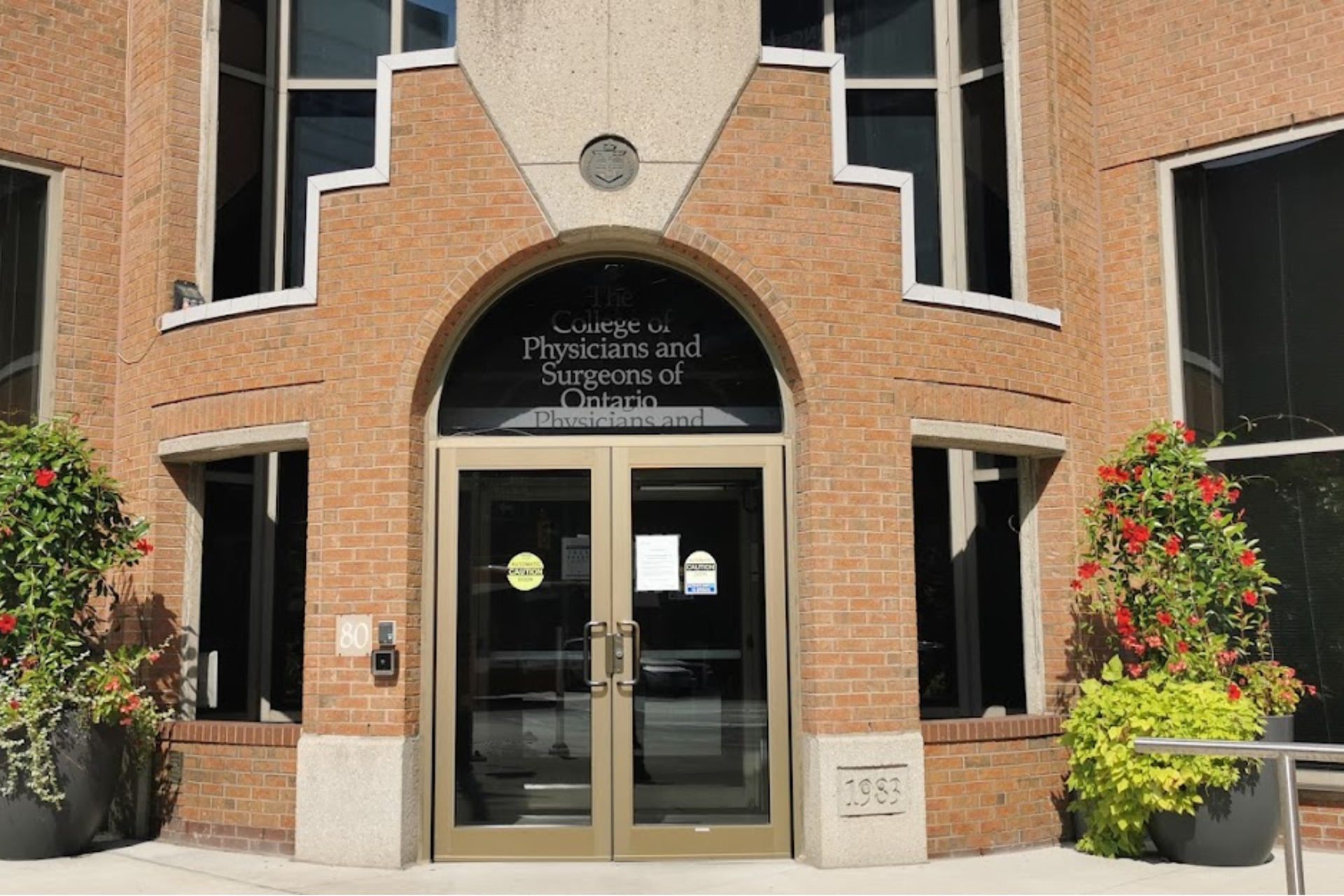
The College of Physicians and Surgeons of Ontario (“CPSO”) regulates the practice of medicine in Ontario. Physicians are required to be members of the CPSO to practice medicine. The role of the CPSO, its authority and powers are set out in the Regulated Health Professions Act (“RHPA”), the Health Professions Procedural Code under the RHPA and the Medicine Act.