Representing victims of medical malpractice across Ontario

Nurse Alters Morphine Record, Patient Dies: CNO Orders Permanent Resignation

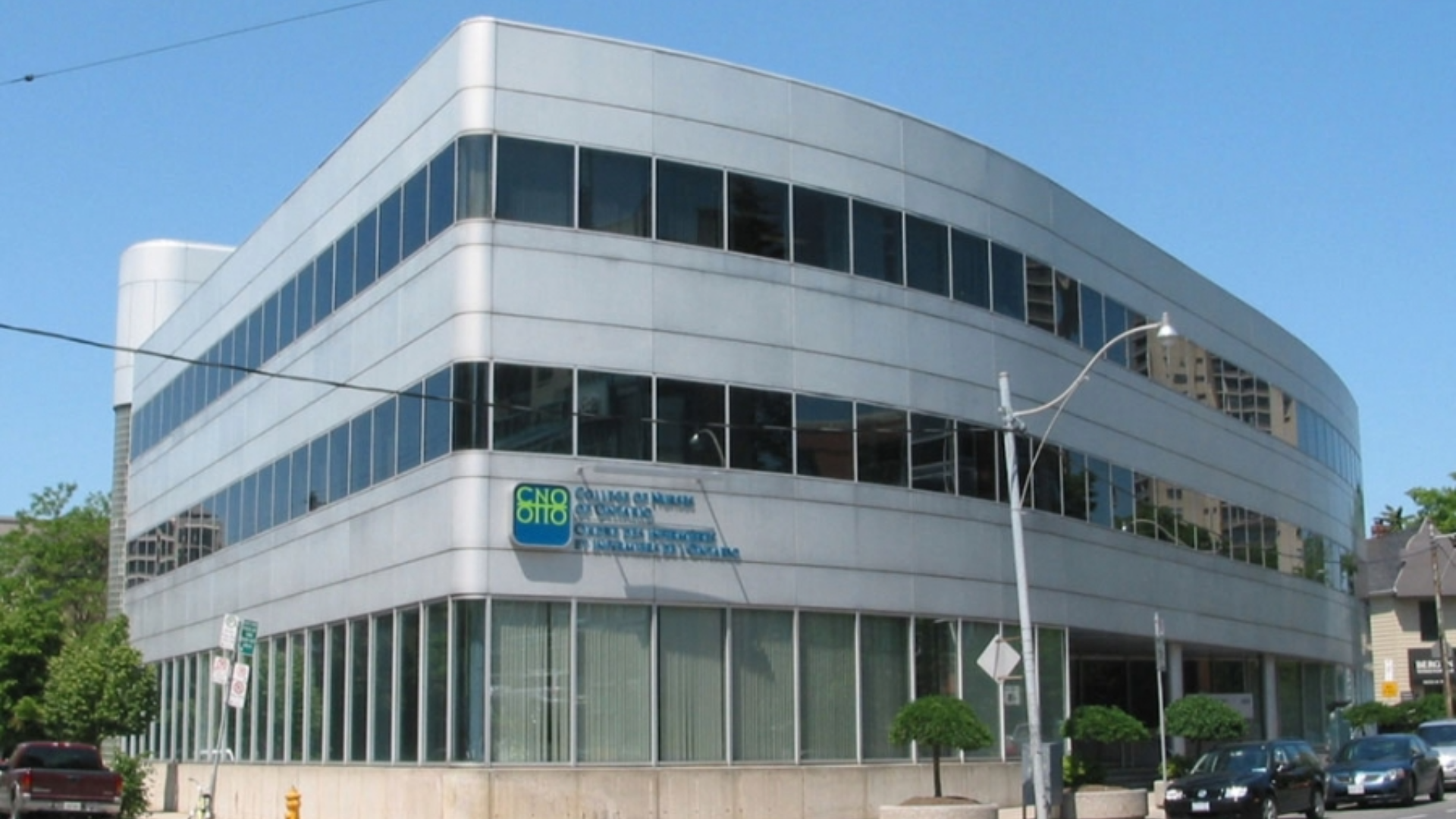
College of Nurses of Ontario

A Profound Breach of Trust in End-of-Life Care

In CNO v. Lindsey Coyle, the Discipline Committee of the College of Nurses of Ontario addressed one of the most serious forms of professional misconduct: alteration of medication records, misappropriation of narcotics, and a patient death that followed.

The case serves as a stark reminder of how falsified documentation and improper medication practices can have catastrophic consequences.

What Happened?

The Patient

The patient was a 76-year-old woman admitted to La Verendrye Regional Hospital in Fort Frances with complex medical issues, including chronic pain, renal failure, and recent opioid overdose requiring Narcan.

By January 1, 2015, her physician had ordered 2–5 mg of morphine every two hours as needed. She had been receiving relatively low doses prior to January 3.

The Alteration of the Medication Record

On January 3, 2015, during a day shift:

  • The nurse hand-altered the Medication Administration Record (MAR) to increase the allowable dose to 5–10 mg every two hours as needed.
  • This was done without a physician’s order.

She then documented administering seven 10 mg doses of morphine that day.

In reality, the patient had received less — or none — of the morphine documented. The morphine was misappropriated rather than administered to the patient.

The Night Shift and the Patient’s Death

The altered MAR remained in place at shift change.

That night:

  • The incoming nurse relied on the altered order.
  • Two 10 mg doses were administered (21:30 and 1:30).
  • The patient became unresponsive.
  • She died at 6:11 a.m. on January 4, 2015.

The Office of the Chief Coroner concluded, on a balance of probabilities, that the death was due to morphine toxicity from the 20 mg administered overnight.

Criminal Proceedings

In August 2022, the nurse pled guilty to criminal negligence causing harm in relation to the death.

The disciplinary hearing occurred more than ten years after the incident due to the timing of criminal proceedings.

The Discipline Committee’s Findings

The College found that the nurse:

  • Abused a patient within the meaning of the Therapeutic Nurse-Client Relationship standard.
  • Falsified documentation.
  • Engaged in conduct that was disgraceful, dishonourable, and unprofessional.

The Panel emphasized that:

  • Altering a medication order without authorization constitutes a misuse of professional power.
  • Falsifying records undermines the foundation of safe care.
  • Misappropriating narcotics represents a serious moral failing.
  • The conduct resulted in a patient death and brought shame to the profession.

The Penalty: Permanent Removal from the Profession

The nurse entered into an undertaking to:

  • Permanently resign from the College;
  • Never reapply for registration;
  • Never practise nursing again in Ontario;
  • Never use the title “nurse,” “RN,” or “RPN.”

The Panel made it clear that permanent removal from the profession was the only acceptable outcome in a case of this magnitude.

Why This Case Matters

This decision highlights several key medico-legal themes:

1️⃣ Documentation Is a Patient Safety Tool

Medication records are not administrative paperwork — they are clinical communication instruments. Altering them compromises every subsequent clinical decision.

2️⃣ Narcotic Misappropriation Creates Lethal Risk

When controlled substances are diverted, patients are exposed to unpredictable dosing and unsafe care pathways.

3️⃣ End-of-Life Care Requires Heightened Vigilance

Patients receiving opioids for pain management are medically vulnerable. Dose changes without oversight can rapidly become fatal.

4️⃣ Professional Accountability Is Relentless

Even though the nurse surrendered her certificate in 2016, the College retained jurisdiction because the conduct occurred while she was registered.

A Broader Legal Perspective

From a civil litigation standpoint, this case would raise issues such as:

  • Unauthorized alteration of physician orders

  • Falsification of clinical records

  • Medication diversion

  • Institutional oversight and supervision

  • Causation in opioid toxicity deaths

In Ontario medical negligence claims, documentation integrity and medication safety protocols are often central to determining liability.

Final Thoughts

The Discipline Committee described the conduct as an “extraordinary breach of trust.”

Patients and families place immense trust in healthcare professionals — particularly in vulnerable, end-of-life situations. This case underscores how quickly that trust can be shattered when professional standards are abandoned.

If you or a loved one has concerns about unsafe medication practices or unexplained clinical deterioration in hospital, early legal review can be critical.

Decision Date: August 21, 2025

Jurisdiction: College of Nurses of Ontario Discipline Committee

Citation: College of Nurses of Ontario v Coyle, 2025 CanLII 146790 (ON CNO)

Recent Posts