The Topics category collects substantive explainers on specific issues in Ontario medical malpractice practice. Each post takes a single topic, clinical or legal, and works through it in depth: what the condition or concept is, how it appears in malpractice litigation, what the standard of care and causation analysis typically looks like, and what patients and their families should understand about it.
The topics range across the clinical and legal landscape: cancer misdiagnosis, delayed sepsis diagnosis, cauda equina syndrome, hospital falls, ER discharge issues, medication errors, surgical negligence, hallway medicine and the systemic conditions that contribute to error, and emerging issues such as health misinformation online and the standard of care for newer pharmaceuticals. Some posts focus on patient-facing concerns (what should patients watch for, how are claims investigated, what are the common patterns of error in a given context). Others focus on broader trends in the area (whether malpractice is rising in Canada, how communication failures generate civil and regulatory exposure).
Posts in this category are longer and more substantive than the FAQ entries. They are written for prospective clients, family members of injured patients, journalists, and members of the public who want to understand how Ontario law actually applies to a particular kind of medical injury or system failure.
Posts in this category should not be relied on as legal advice. They are starting points for understanding a topic; specific cases require advice on their specific facts.
A Winnipeg family waited eight months for a report into a death after an eleven-hour emergency room wait, and says it left more questions than answers. Ontario families face the same gap. What QCIPA requires a hospital to disclose, what it protects, and why the medical record matters more than the report.
A new review in Laws argues that medical schools are not teaching enough law, and that the gap is making patients less safe. The article is European and persuasive only in Ontario, where CanMEDS, the CPSO and the CMPA already supply most of the framework it recommends. The place the diagnosis actually lands is artificial intelligence.
A Saskatoon family went public this week after an 88-year-old man with early Alzheimer’s spent nearly five days on a bed in an emergency department hallway. The story is from Saskatchewan, but the conditions are familiar in Ontario, and the risks are sharpest for the patient who cannot orient himself, use a call bell, or tell anyone something has changed. Where the line falls between a strained system and an actionable failure is narrower than the headlines suggest.
A new report finds one in 10 admitted patients now spend more than 48 hours waiting in the emergency department, and roughly 16,000 died while waiting for care last year. But a broken system is not the same as a winnable malpractice claim. Here is where an ER delay can cross into negligence in Ontario, and where it cannot.
Doctors warn against an overwhelming surge of online menopause misinformation. The legal framework where patient harm crosses into medical malpractice in Ontario.
When overcrowded Ontario emergency departments contribute to delayed diagnoses, premature discharges, or death, the legal standard of care does not bend.
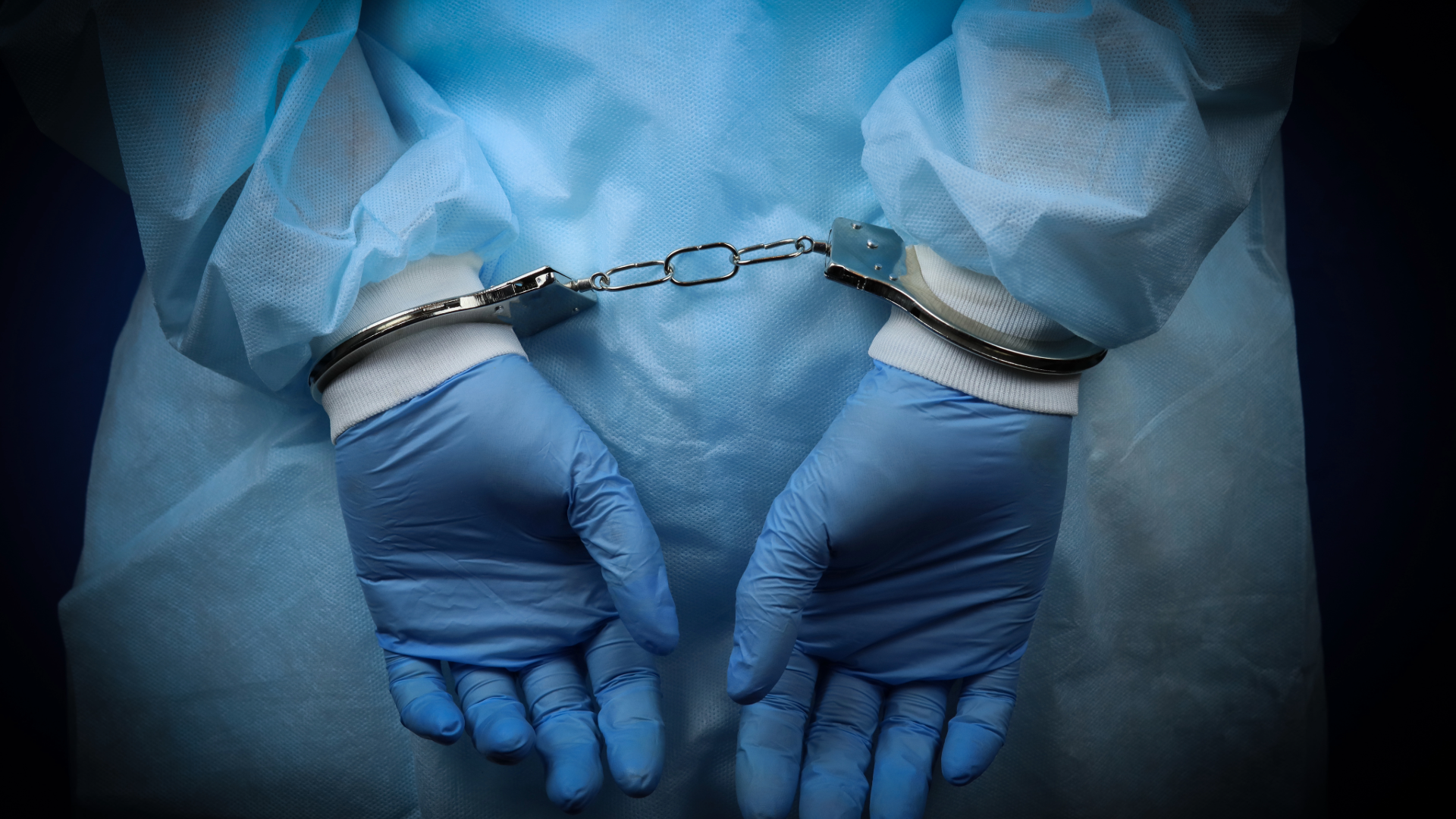
Most surgical errors are addressed through civil litigation and professional discipline. In rare cases, criminal liability can follow. An honest look at the threshold.
Communication failures cause some of the most preventable harm in Canadian healthcare. The legal framework, the practical reality, and the federal response.
When inadequate vancomycin monitoring produces a preventable death. The standard of care, the multi-provider liability picture, and the legal framework.
A patient’s guide to midwifery malpractice in Ontario. Scope of practice, consultation duties, the liability framework, and the most common claim categories.
Cauda equina syndrome is a surgical emergency. The legal claims that follow are almost always about whether the diagnosis and treatment were timely enough.