On April 10, 2026, the Hamilton Spectator published Joanna Frketich’s coverage of a $2.5 million civil lawsuit filed by Eric Hanans against Hamilton Health Sciences (HHS) and several individual defendants over the May 2024 death of his four-year-old son, Reid, following a routine tonsil and adenoid surgery at McMaster Children’s Hospital. The article ran under the headline “‘A tragic, tragic case’: Dad sues HHS after son dies following routine tonsil surgery” with the sub-headline noting the lawsuit’s allegations of “systemic failures” at the institution. Paul was quoted in the article as the family’s counsel.
The statement of claim was filed on April 1, 2026. The allegations have not been tested in court, and HHS has not yet filed a statement of defence.
The article and the journalist
Joanna Frketich is the Hamilton Spectator’s health reporter. She has covered the cluster of pediatric tonsillectomy adverse events at McMaster Children’s Hospital across a series of pieces over the last two years, including coverage of the second child’s death less than three weeks after Reid’s, the temporary shutdown of the tonsil surgery program from June 4 to October 7, 2024, and the ongoing public-interest dispute over access to the internal and external reviews of the deaths. The April 10, 2026 article extends that coverage to the filing of the Hanans family’s civil lawsuit.
The case
Reid Hanans was four years old when he underwent a routine tonsillectomy and adenoidectomy at McMaster Children’s Hospital on May 13, 2024. The surgery began at 12:08 p.m. and finished at 12:39 p.m. According to the statement of claim, the supervising physician was present at the beginning and end of the procedure but not throughout; the operation itself was performed by a fifth-year ENT resident. Reid was discharged approximately three hours after the surgery to his family’s home in Simcoe, Ontario.
Reid was well enough to play outdoors both before and after dinner that evening. He started coughing later that night. By the next morning, May 14, 2024, his condition had acutely deteriorated. He began expelling bright red blood and became unresponsive. CPR was started immediately and 911 was called. Reid was taken to Norfolk General Hospital. Despite resuscitation efforts, he died.
The coroner identified the cause of death as complications of tonsillectomy and adenoidectomy. Specifically, Reid died of an airway obstruction associated with bleeding and swelling following the surgery.
The broader institutional context
The article situates Reid’s death in a broader pattern that has now been subject to two years of reporting by the Spectator.
Less than three weeks after Reid’s death, a second child died following the same surgery at McMaster Children’s Hospital. Other families reported near-misses to the Spectator around that time. The cluster of adverse events prompted HHS to shut down the tonsil surgery program at McMaster from June 4 to October 7, 2024, while external and internal reviews were conducted.
HHS has publicly stated that the external review did not identify specific actions, absences of action, quality-of-care concerns, or systems issues that directly or indirectly contributed to the two deaths. HHS has refused to release the external review or the internal quality-of-care reviews. The Hamilton Spectator filed freedom of information requests for the materials. Those requests were denied. Appeals are now before an adjudicator at the Office of the Information and Privacy Commissioner of Ontario, who will determine what, if anything, will be released.
What the lawsuit alleges
The statement of claim names HHS as well as nurses in the operating room, the post-anesthesia care unit, and the same-day surgery unit. It also names the physician who supervised the surgery and the fifth-year ENT resident who performed it. The Spectator did not identify the individual defendants by name in its April 10, 2026 article.
The lawsuit alleges that HHS failed to establish and enforce safe discharge criteria for pediatric patients undergoing tonsillectomy and adenoidectomy. It alleges that the hospital network permitted or encouraged same-day discharge in circumstances where in-patient monitoring was clinically indicated. It claims that discharge decisions were made on the basis of protocols and led by nurses without appropriate physician oversight.
The lawsuit also takes aim at the discharge instructions given to the family. The statement of claim alleges that the parents were never warned to limit Reid’s activity after the surgery and were never warned about coughing as a potential concern that would warrant returning to the hospital for reassessment.
A further allegation concerns the anesthetic phase of the procedure. The statement of claim alleges that Reid exhibited an airway obstruction when given anesthesia, and that this finding was not adequately addressed or communicated as care was handed over between hospital units.
Finally, the statement of claim alleges that Reid’s death “was not an isolated or unforeseeable event but occurred within the context of broader and contemporaneous safety concerns, adverse outcomes, and systemic deficiencies within the program.” The cluster of adverse events, the statement of claim alleges, demonstrates a pattern of conduct and systemic failures, including premature discharge practices, inadequate postoperative monitoring, and a failure to appropriately respond to known risks associated with pediatric tonsillectomy.
These allegations have not been tested in court.
Paul’s contribution to the article
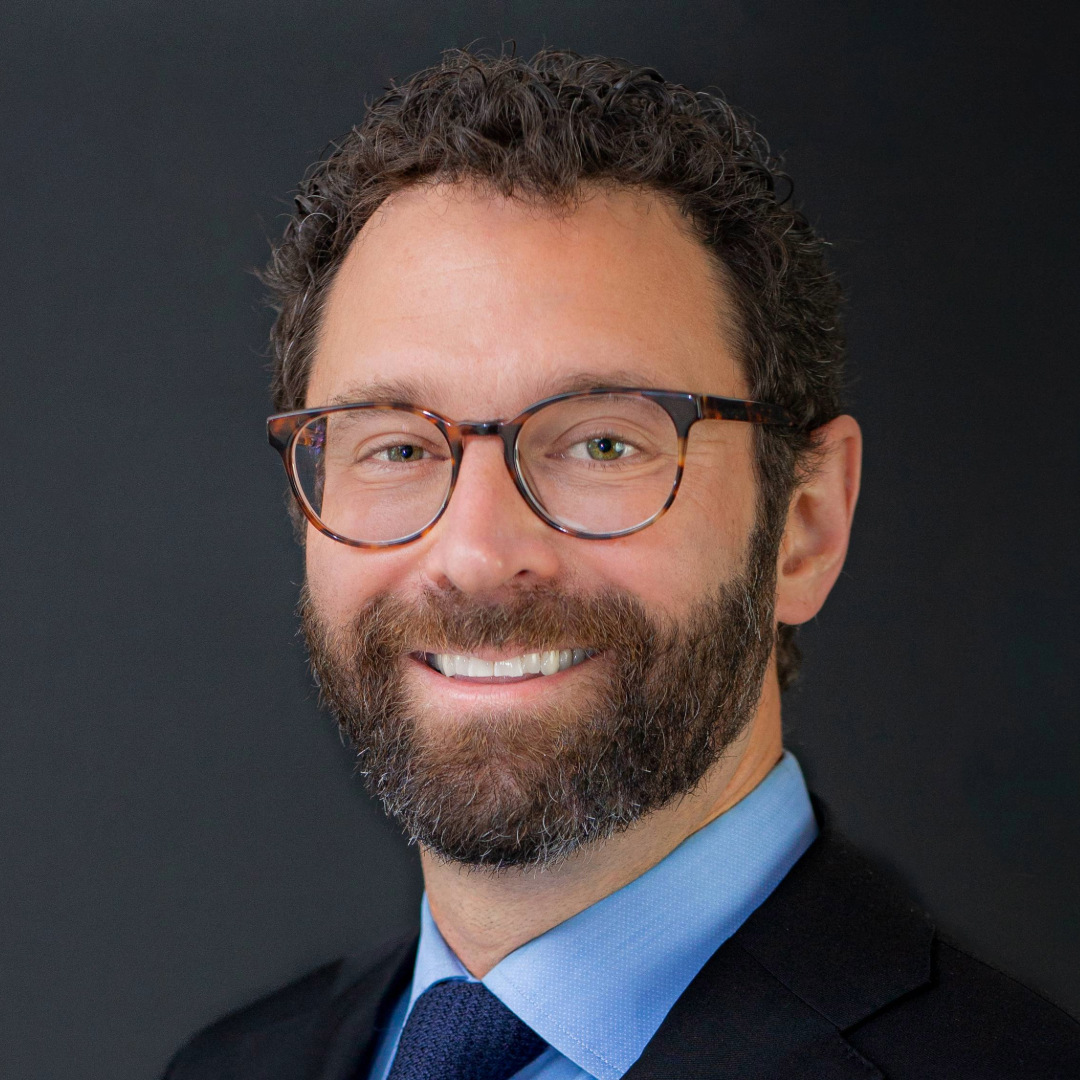
Paul was quoted in the article as the family’s counsel. The substance of his contribution, paraphrased here within the project’s quotation limits, was that the family is still searching for answers and accountability for the loss of their son, that the lawsuit is an important mechanism for understanding what may have gone wrong, and that the limited information made public through the quality-assurance process to date has made that understanding difficult to come by. Paul described the matter as a tragic, tragic case and indicated that one of the hopes through the lawsuit is to get a better understanding of all the concerns at the time.
The systemic negligence framework
The statement of claim’s framing of the case in terms of systemic failures is not, on its face, a routine medical malpractice framing. Most medical malpractice cases in Ontario allege specific failures by named individual defendants. A statement of claim that locates an individual death within a documented institutional pattern, and that pleads systemic deficiencies as a substantive basis of liability, raises evidentiary and doctrinal questions that have been canvassed in recent Ontario appellate authority.
The closest doctrinal anchor is Levac v James, 2023 ONCA 73, the Court of Appeal for Ontario’s decision affirming the trial finding of a systemic breach of the standard of care by an anesthesiologist whose infection-control practices were implicated in a cluster of post-injection infections. Levac is notable for the Court of Appeal’s endorsement of statistical inference as a means of establishing causation in systemic cases: where the pattern of adverse outcomes around a particular practitioner or program substantially exceeds what would be expected by chance, that statistical departure can support a causation inference even in the absence of a fully reconstructed causal chain in each individual case. Paul has presented on Levac at the Medical Legal Society of Toronto in May 2024 and has discussed the doctrinal framework in other settings.
Whether the Hanans case will ultimately invoke that framework, and whether the cluster pattern at McMaster Children’s Hospital will be developed at trial in a manner that engages it, remains to be seen. The post does not predict the outcome. The framework is a doctrinal context for the kind of allegation the statement of claim makes; it is not a guarantee of how the case will be pleaded, defended, or decided.
Medical context
Tonsillectomy is generally considered an extremely safe procedure. The article notes the medical consensus that most ENT specialists will complete an entire career without seeing a single death from the procedure. Postoperative bleeding occurs in approximately five per cent of cases. Severe postoperative bleeding is the principal mechanism by which the procedure can become life-threatening. The medical question in any individual case is not whether the risk exists in the abstract; it is whether the discharge timing, the warnings to parents, the monitoring during the post-anesthesia and same-day surgery phases, and the institutional protocols for identifying patients at elevated risk were appropriate for the patient in front of the team. Those are matters on which the parties’ expert evidence will join issue at trial.
Where to read
The full Hamilton Spectator article by Joanna Frketich, “‘A tragic, tragic case’: Dad sues HHS after son dies following routine tonsil surgery,” is available at pressreader.com. Related Spectator coverage of the cluster of adverse events and the FOI dispute over the institutional reviews is referenced in the article.
Context
Paul is a partner at Davidson Cahill Morrison LLP and is counsel for the Hanans family in the civil lawsuit covered in the Hamilton Spectator article. The lawsuit is in its early stages. The post is descriptive of the public filing and the media coverage; it is not an analysis of the underlying merits, which will be developed in pleadings, discovery, and ultimately at trial.