An Uncomplicated Hysterectomy, Both Ureters Injured, and a Settlement
A settlement on behalf of a 40-year-old woman whose hysterectomy was described as uncomplicated but resulted in injuries to both ureters and chronic disability.
A settlement on behalf of a 40-year-old woman whose hysterectomy was described as uncomplicated but resulted in injuries to both ureters and chronic disability.
A look at the most recent CMPA and CIHI data on medical malpractice, hospital harm, and what the numbers actually say about patient safety in Canada.
Hundreds of thousands of Canadians leave the ER without being seen each year. Here’s how Ontario law treats wait times, harm, and contributory negligence.
September 2023 coverage in CP24 and the Brampton Guardian of the Thompson v Handler trial decision finding an ER physician negligent for the death of a 34-year-old mother.
A psychiatrist was seriously assaulted by a patient. The BC Court of Appeal confirmed that hospitals owe a duty of care to medical staff, and that the standard is contextual.
A BC court certified a class action against a hospital that allegedly hired an imposter nurse. Some causes of action were certified; others were left to individual claims.
A medication error caused real distress but no compensable mental injury. The Court of Appeal applied the Saadati threshold and dismissed the claim.
An Ontario decision applying the Wigmore test to protect hospital quality of care review documents from production, even where the documents were relevant.
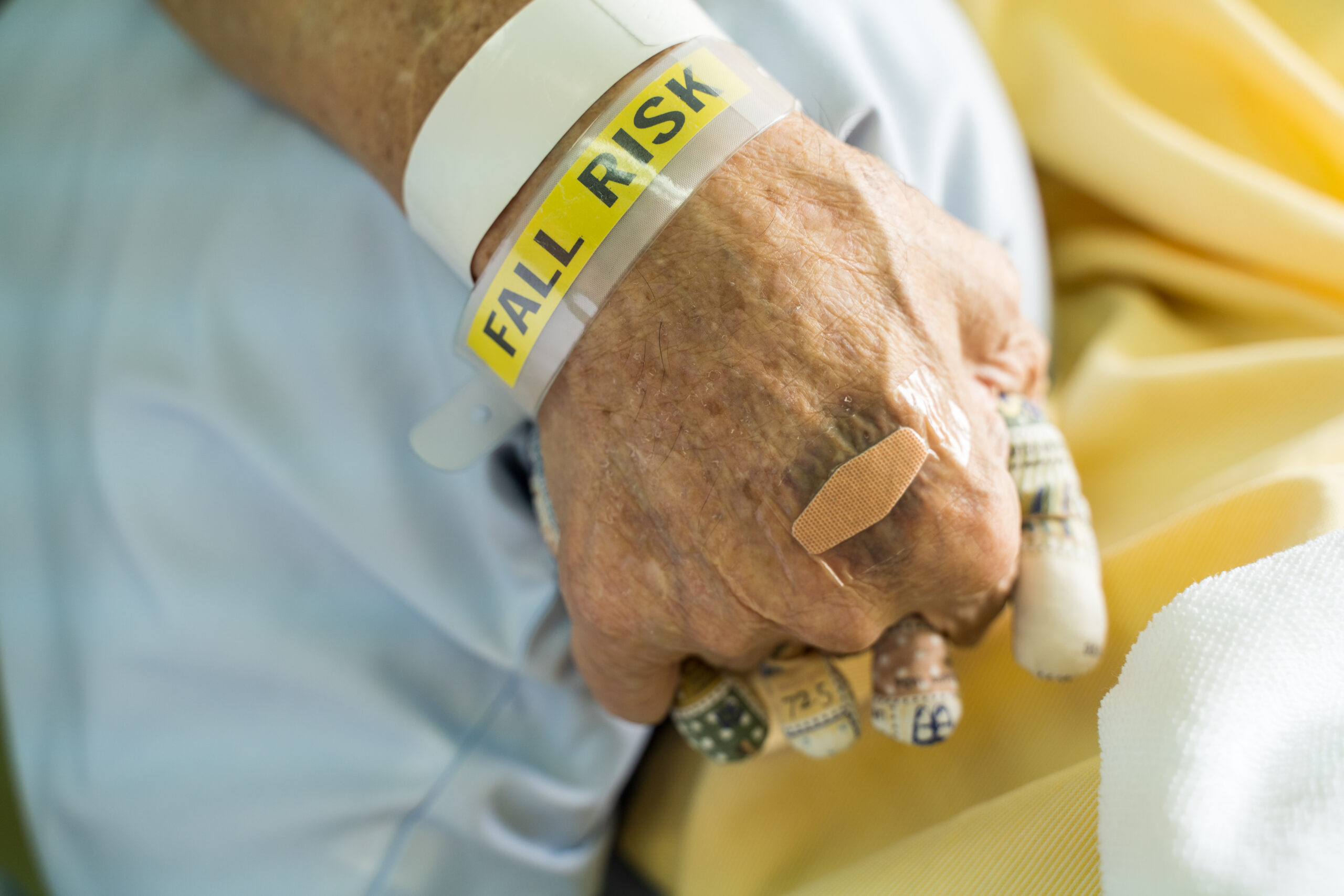
Most hospital falls are not negligent. Some are. A practical guide to when a fall in hospital becomes a legal claim, and what patients should do next.
On Inside Medical Malpractice with Chris Rokosh: medication errors as Never Events, the 10 rights of medication administration, and what they mean in litigation.
A settlement involving a 65-year-old man whose ankle fracture went 40 days without orthopedic follow-up, leading to joint infection and below-knee amputation.
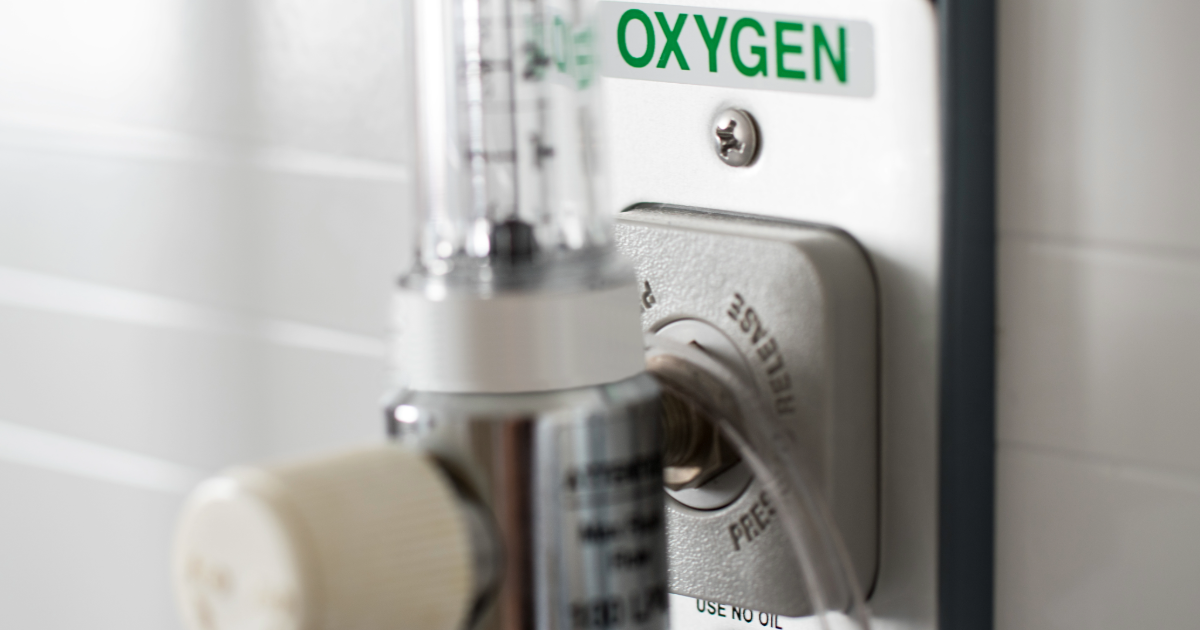
Paul Cahill settled a wrongful death claim after hospital staff failed to connect oxygen tubing to a patient’s CPAP machine, leading to cardiac arrest.