When the Oxygen Was Not Connected: A Hospital Equipment Setup Error and a Preventable Death
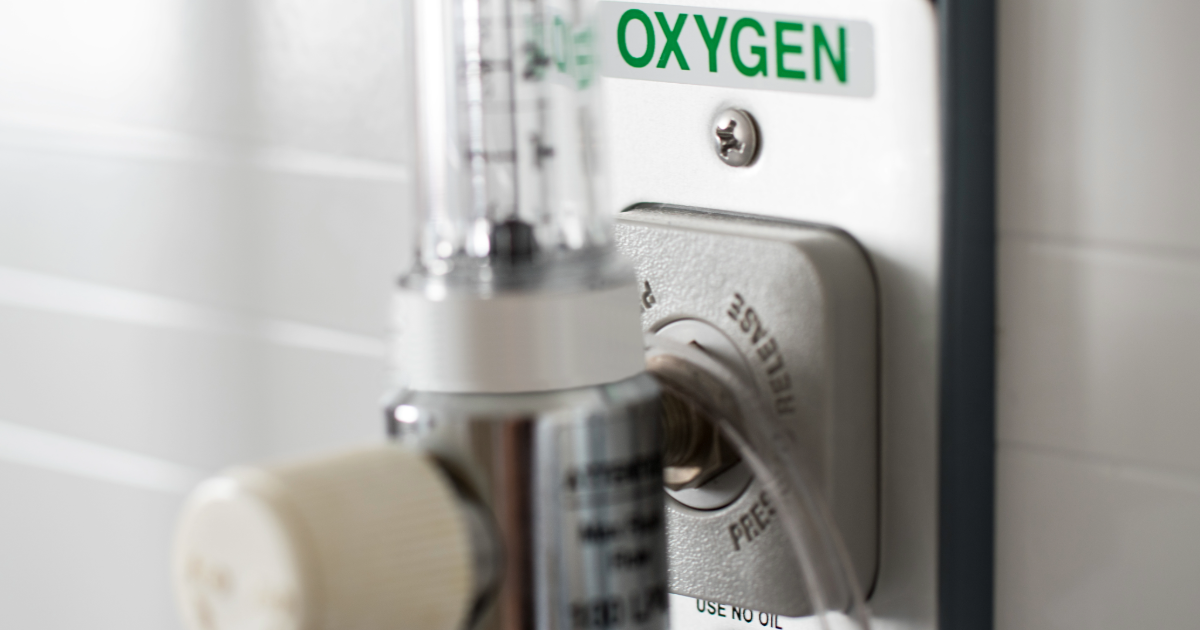
Paul Cahill settled a wrongful death claim after hospital staff failed to connect oxygen tubing to a patient’s CPAP machine, leading to cardiac arrest.
Representing Victims of Medical Malpractice Across Ontario
Damages is the third element of a medical malpractice claim, after standard of care and causation. Once a plaintiff has proven that the defendant’s conduct fell below the standard of care and that the breach caused the injury, the court must quantify the loss in monetary terms. In Ontario medical malpractice cases, damages typically fall into several heads: general (or non-pecuniary) damages for pain and suffering and loss of enjoyment of life; future care costs; past and future loss of income or earning capacity; out-of-pocket expenses; and family-member claims under section 61 of the Family Law Act.
Non-pecuniary damages in Canada are capped at approximately three hundred and fifty thousand dollars (in 1978 dollars, indexed to inflation), following the Supreme Court of Canada’s trilogy of decisions in Andrews v Grand & Toy Alberta Ltd, [1978] 2 SCR 229, Thornton v School District No 57 (Prince George), [1978] 2 SCR 267, and Arnold v Teno, [1978] 2 SCR 287. The cap currently runs to roughly four hundred thousand dollars in present-day dollars. Pecuniary damages are not capped and can run into the millions in catastrophic injury cases.
The quantification of future-care costs and loss of earning capacity is typically the most heavily contested aspect of damages and requires actuarial and medical expert evidence.
Posts tagged Damages analyze Ontario decisions on the assessment of compensation in medical malpractice claims.

Paul Cahill settled a wrongful death claim after hospital staff failed to connect oxygen tubing to a patient’s CPAP machine, leading to cardiac arrest.

Paul Cahill settled a medical malpractice claim involving permanent vestibular damage from unmonitored outpatient gentamicin therapy.

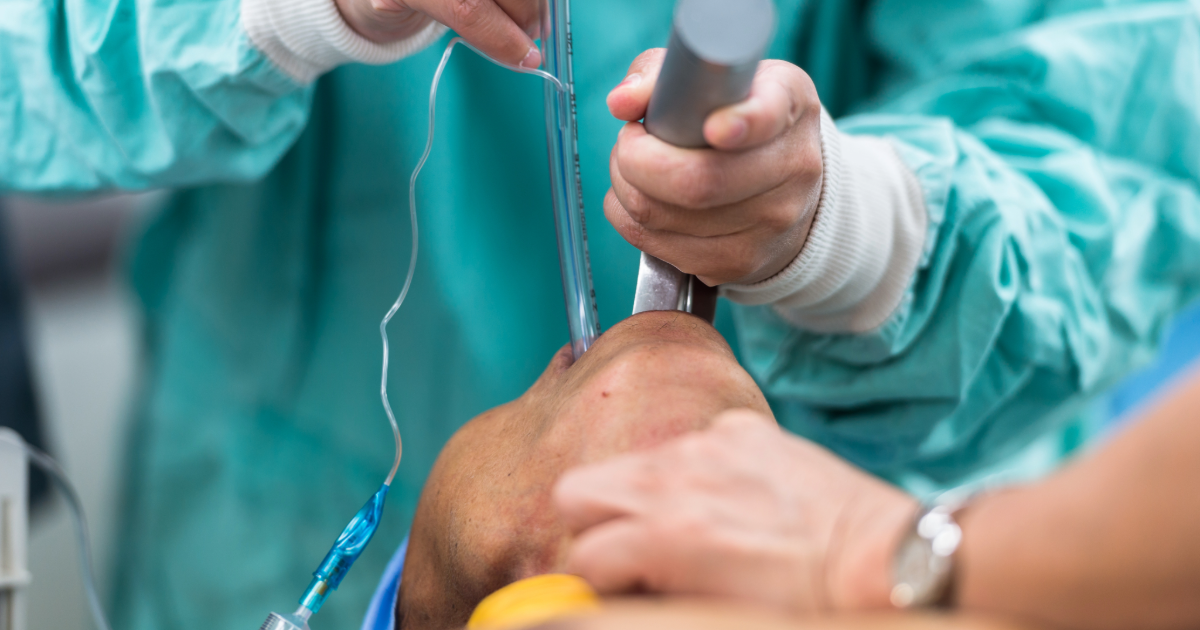
Paul Cahill settled a wrongful death claim involving a misplaced breathing tube and a delayed anesthesiology response in the emergency room.

Paul Cahill settled a surgical negligence claim arising from an aortic injury during a laparoscopic nephrectomy that caused spinal cord ischemia.

Paul Cahill’s trial victory in Ayana v Skin Klinic, 2009, established the standard of care for laser hair removal performed in an Ontario dermatology clinic.
Free, confidential consultations. Paul reviews every potential case personally and tells you honestly whether it merits investigation.